

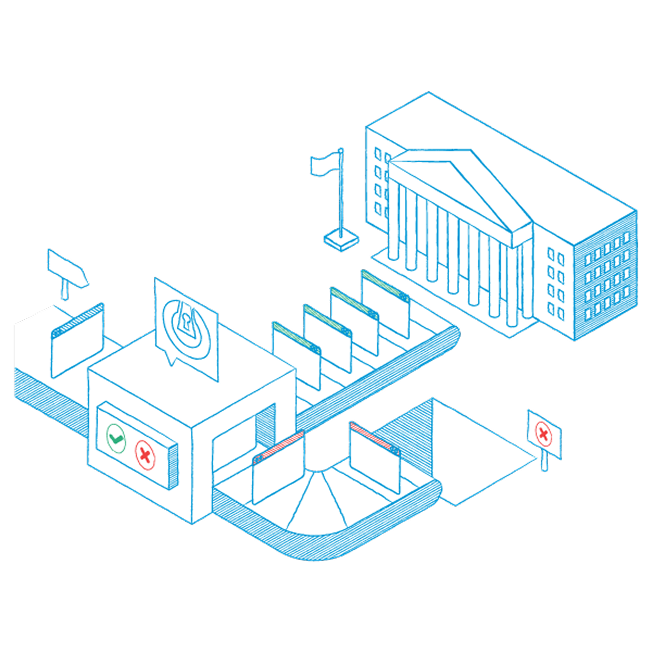
What happens when an attacker targets your environment?
.svg)
ThreatLocker solved alert fatigue for us. What I noticed was that the product, the interface, and the amount of data it surfaces allowed some of my more junior team members to become effective responders within our environment. It became a force multiplier for my team.
ThreatLocker provides that extra key to block anomalies that nothing else can do. It gives me a great deal of comfort as an IT director.
ThreatLocker gave us the granular control we were looking for and provided real peace of mind.
ThreatLocker significantly reduced alert fatigue for our team. Before ThreatLocker, we spent countless hours reviewing EDR alerts and investigating potential threats. It wasn't efficient and consumed a lot of our time. With [the] ThreatLocker['s] prevention-first approach, threats are blocked before they can execute, giving us greater peace of mind and allowing our team to focus on more strategic work.
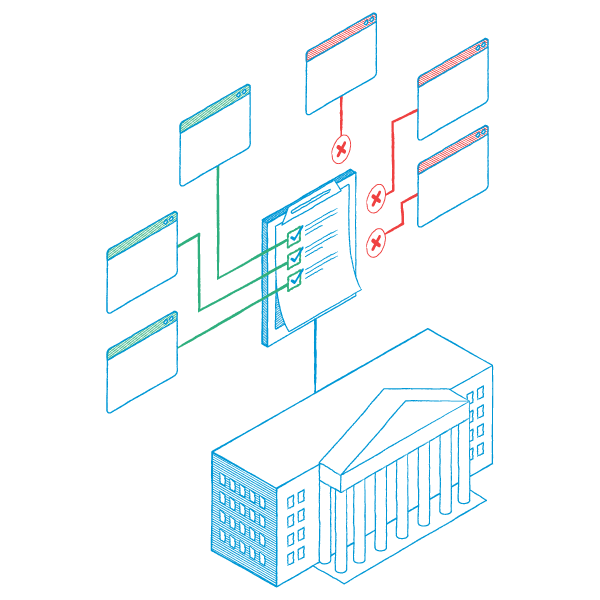
Every new application, connected system, and third-party access point creates another opportunity for attackers.
Without complete visibility and control over what can run in your environment, ransomware and other unauthorized software can execute before traditional tools recognize the malicious behavior. Meanwhile, your team is left investigating alerts and responding to incidents instead of supporting essential public services.
You can avoid these scenarios with proactive Zero Trust controls from ThreatLocker.
